When the World Sleeps, Creativity Awakes
Famous creators who worked best at night prove that inspiration doesn’t always strike at sunrise. From writers to musicians to world leaders, many of history’s most influential minds found their flow long after the rest of the world was asleep.
Have you ever noticed how your brain sparks its best ideas right when you should be winding down? For centuries, sleepless nights have been transformed into timeless masterpieces. While late-night habits may feel isolating or even frustrating, they can also be a hidden advantage for those who embrace their natural rhythm.
In this blog, we’ll explore the inspiring stories of famous creators who worked best at night — and how their unconventional schedules became the secret behind their creativity and success.
How to Manage Screen Time for Better Health
1. Vincent van Gogh – Painting Under the Stars
The world-famous painter Vincent van Gogh often struggled with sleepless nights. Instead of resisting them, he embraced the quiet hours and transformed them into creativity. His iconic masterpiece The Starry Night is believed to have been inspired by his late-night observations of the sky.
For Van Gogh, night-time wasn’t a burden — it was a canvas for imagination. His story is a powerful reminder that famous creators who worked best at night often turned their restless hours into art that would inspire the world for generations.
Lesson: Sometimes, sleepless nights can spark the most meaningful creative breakthroughs.
2. Franz Kafka – Writing Until Dawn
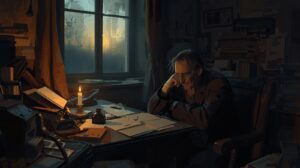
Franz Kafka, best known for works like The Metamorphosis, wrote most of his stories long after midnight. For Kafka, the night offered something the day couldn’t: silence. He described his late hours as a time when distractions faded away, and his imagination came alive.
While others slept, Kafka poured his restless energy into writing stories that remain among the most influential pieces of literature today. His dedication shows that famous creators who worked best at night often harnessed solitude as a powerful tool for creativity.
Lesson: The quiet of the night can become the perfect space for focus and self-expression.
3. Ludwig van Beethoven – Midnight Melodies
One of history’s greatest composers, Ludwig van Beethoven, often worked late into the night, believing that inspiration struck when the world outside was calm and quiet. The stillness of night gave him the freedom to compose without interruption, allowing melodies to flow directly from his mind onto paper.
Many of his timeless symphonies and piano pieces are said to have been born during these solitary hours. His story is yet another reminder that famous creators who worked best at night used darkness not as an obstacle but as a source of clarity and creativity.
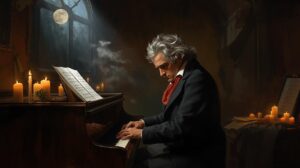
Lesson: Inspiration doesn’t follow a clock—it strikes when your soul is ready.
J.K. Rowling – The Magical World of Late Nights
Before becoming the bestselling author of the Harry Potter series, J.K. Rowling often wrote late at night after putting her child to bed. The quiet of the night gave her the focus and mental space to bring her wizarding world to life, word by word.
Her story is a reminder that famous creators who worked best at night didn’t wait for perfect conditions — they used the time they had, even if it was after midnight, to pursue their passion.

Lesson: Even in exhaustion, determination can lead to extraordinary results.
5. Charles Bukowski – The Poet of Midnight
Known for his raw, unfiltered, and brutally honest writing style, Charles Bukowski thrived in the late-night hours. He once said, “You get your best ideas at night, and then you try to make them real in the day.” For Bukowski, midnight was not just a time — it was a creative state of mind.
His poetry and novels, often born in solitude under dim light, continue to resonate with night owls and insomniacs around the world. Bukowski’s work shows that famous creators who worked best at night often tapped into the silence of darkness to give voice to their deepest thoughts.
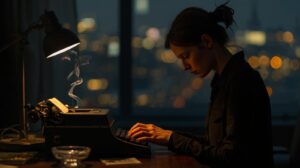
Lesson: The night can become a mirror for raw, authentic expression.
Why Night time Sparks Creativity
-
Silence & Focus: No distractions = more room for imagination.
-
Different Brain Waves: Studies suggest our brains shift into more creative patterns late at night.
-
Freedom from Routine: At night, we break free from “daytime responsibilities” and allow our thoughts to flow.

How You Can Use Your Insomnia for Inspiration
-
Keep a journal by your bedside to capture sudden ideas.
-
Try creative hobbies (drawing, writing, music) instead of scrolling your phone.
-
Use night hours for planning side hustles or blogs (just like Insomnia Monkeys 🐒✨).
Conclusion: Embrace Your Midnight Magic
Insomnia doesn’t always have to be a burden. History shows us that some of the world’s most brilliant minds used their sleepless nights to create art, music, and stories that continue to inspire millions.
So the next time you find yourself wide awake at 2 AM, remember—you might just be on the brink of your most creative idea yet.
Follow Links:-
https://www.poetryfoundation.org/poets/charles-bukowski

woww…….. so crazyyyy
Woww! very informative thanks