How to manage screen time for better health is one of the biggest challenges in today’s digital world. Screens are everywhere — from work and entertainment to social connections — making it difficult to step away. While technology offers incredible convenience, excessive screen time can harm both your physical and mental well-being. The good news? With the right strategies, you can reduce digital fatigue, regain balance, and build a healthier lifestyle without giving up technology altogether.
How to Practice Self-Care in Just 10 Minutes a Day
Why Managing Screen Time Matters
Spending long hours on smartphones, laptops, or TVs can cause:
-
Eye strain and headaches (also called digital eye syndrome)
-
Poor posture and back pain
-
Sleep disturbances due to blue light exposure
-
Reduced productivity and focus
-
Increased stress and anxiety from constant notifications
By balancing screen use with mindful practices, you can protect both your body and mind.
1. Set Daily Screen Time Limits
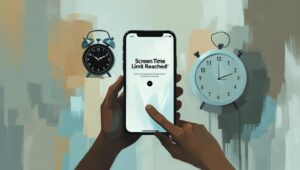
Just like a diet plan, you also need a “digital diet” to protect your well-being. Use built-in phone features such as Screen Time (iOS) or Digital Wellbeing (Android) to track and limit your daily usage. Start by setting realistic goals — for example, reducing non-essential screen time by just 1 hour daily. Over time, these small adjustments make a big difference. If you’re focusing on how to manage screen time for better health, setting daily limits is one of the most effective steps to reduce digital fatigue and create balance.
2. Follow the 20-20-20 Rule
One of the simplest and most effective ways to avoid digital eye strain is the 20-20-20 rule. Every 20 minutes, look at something 20 feet away for at least 20 seconds. This short break relaxes your eye muscles, prevents headaches, and reduces fatigue from prolonged screen use. If you’re learning how to manage screen time for better health, adopting the 20-20-20 rule is a must. It’s a quick habit that protects your eyes while keeping you more focused and comfortable throughout the day.

3. Schedule Tech-Free Zones
Create screen-free spaces in your life, such as:
-
Dining table – focus on mindful eating and conversations.
-
Bedroom – replace phone scrolling with reading a book.
- Morning routine – avoid screens for the first hour after waking up.

4. Practice Digital Detox
Dedicate one day (or even just a few hours) each week to a digital detox period. Use this time to disconnect from screens, connect with nature, enjoy hobbies, or spend quality moments with loved ones. This practice not only refreshes your mind but also improves sleep and reduces stress. If you’re focusing on how to manage screen time for better health, regular digital detox sessions are a simple yet powerful way to reset your brain, improve focus, and bring balance back into your lifestyle.

5. Prioritize Physical Activity
Sitting for long hours in front of screens can harm posture, reduce flexibility, and impact overall health. To counter this, add short stretching breaks, go for a quick walk, or practice yoga between work sessions. Even 5–10 minutes of movement can refresh your mind, reduce stiffness, and improve circulation. If you’re exploring how to manage screen time for better health, prioritizing physical activity is essential. It balances sedentary screen use with movement, helping you feel more energized and less fatigued.

6. Improve Your Sleep Hygiene
Avoid using screens at least 1–2 hours before bedtime, as blue light suppresses melatonin, the hormone that regulates sleep. Instead of scrolling, try journaling, meditation, or listening to calming music to prepare your mind for rest. This simple shift improves sleep quality, reduces insomnia, and helps you wake up refreshed. If you’re focusing on how to manage screen time for better health, improving sleep hygiene is a crucial step. Quality sleep not only restores energy but also enhances focus, mood, and overall well-being.

7. Turn Off Unnecessary Notifications
Constant pings and alerts can create stress, reduce focus, and increase the urge to pick up your phone unnecessarily. To regain control, disable non-essential app notifications and only keep the ones that matter, like calls or essential reminders. Practicing mindful scrolling instead of reactive checking also makes a huge difference. If you’re exploring how to manage screen time for better health, turning off unnecessary notifications is one of the easiest and most effective steps to reduce distractions and improve digital balance.
8. Choose Quality Over Quantity
Not all screen time is harmful — it’s the quality that matters most. Educational videos, creative tools, and learning apps can be incredibly beneficial when used mindfully. The key is to replace endless social media scrolling with content that truly adds value to your life. If you’re focusing on how to manage screen time for better health, choosing quality over quantity ensures that your digital habits support growth, learning, and well-being rather than draining your time and energy.

Final Thoughts
How to manage screen time for better health isn’t about quitting technology — it’s about finding the right balance. By setting daily limits, practicing digital detox sessions, improving sleep hygiene, and prioritizing real-world connections, you can protect your health while still enjoying the benefits of digital life.
Remember, your screens should serve you, not control you. With small, consistent changes, you’ll reduce fatigue, improve focus, and build a healthier lifestyle that supports both your body and mind.
Follow Links:-
https://www.mayoclinic.org/healthy-lifestyle/childrens-health/in-depth/screen-time/art-20047952